This is Part III of my story on Ira Brown... where we finally include the parts of his life he left out of his interview... and try to sew some of the major but rarely discussed pieces of his odessey together and then try to comprehend the ways they might dovetail into history.
**********************************************************************************************************
[ Probably overwhelmed, the California reporter could not have known that Dick Brown was leaving out huge events in his life. And there was so much random information coming at him, the last thing he would have suspected was that he had not heard the half of it. But curiously, none of the most noteworthy events in Brown's extraordinary life were revealed. Like when he and Fannie Garretson arrived in the Dakota Territory, they had the town's mayor perform the first marriage ceremony in the fledgling boom-town of Deadwood. So the reporter also could also not have known that a few days later Fannie's common-law spouse, Ed Shaughnessy caught up with Dick and Fannie and interrupted one of their performances, throwing what initially looked like a hatchet at them. And so he could not have known that "Banjo Dick" Brown had over-reacted, fetched his pistol and shot four rounds, hitting Shaughnessy twice, and inflicting mortal wounds. This may have been the pivotal moment in Brown's life, but even as an old man he was not comfortable to tell it.] *****************************************************************************
***********************************************************************************************************

**********************************************************************************************************
But while relating his pioneer adventures, "Banjo Dick" Brown the tale-teller, fails to remember this event, his one true and significant contribution to Western History. Legend has it that the “hatchet” perceived flying across the stage was actually just a bundle of love letters, previously sent from Fannie to poor Shaughnessy, and nobody was in danger that night in Deadwood but Shaughnessy. After living with Fannie for several years, and experiencing her sudden disappearance, and broken-hearted (he was reported to have abandoned his family for her), he hunted the two down and created his own, quite public version of divorce. And if they had not been separated beforehand, Brown made sure of it then and there. Bizarrely, Brown shot four times at an unarmed drunk, in front of many witnesses, and yet was eventually acquitted on grounds of self-defense. In Texas High School football circles, we call that a “hometown decision.” *************************************
**********************************************************************************************************
Under an avalanche of western lore and legend, and probably a few lies, the clueless reporter had no way of knowing that his informant was weaving a self-serving spin, while leaving out all of the juicy details! Deadwood had become a cesspool of crime in the mid-1870's as its clapboard skyline rocketed, its rooms filled with miners, adventurers, and every kind of human predator. Sam Bass and other notorious bandits were harassing the stagecoaches often, and smirking gamblers routinely scraped the tables of the miner's excesses. Murders were common, and even the assassination of a hiking circuit-preacher on a Sunday morning failed to alarm its jaded residents.*********************** **********************************************************************************************************
There was a nefarious grapevine of important "recon" being provided to the various bands of robbers around Deadwood, the most active led at the time by a swashbuckling young Texan named Joel Collins. Collins and his partner Sam Bass had come to the Black Hills after a profitable cattle drive, which ended in Ogallala. Instead of returning to Texas and paying off the appropriate dividends to their trusting investors, (one of which was Collins's brother Joe) they gambled it all away in Ogallala and Deadwood. A return to Texas then became an instant prison stay, without some kind of financial windfall, which they soon began to scheme for. They spent their last chunk of cash and bought a quartz mine which turned out to be worthless, then began to think outside of the box.]

[Someone the bandits knew, a trusted confederate with access to sensitive information, provided the intelligence from Deadwood they needed to gather the confidence to begin their new trade as highwaymen. A tall, amusing gang member named Jack Davis, a convicted stage and train robber, had been a gambler in Virginia City, and had done time in prison after too much success as a bandit. In all probability, he had known Banjo Dick, and even gambled with him in Nevada, either before or after his incarceration. They were in many ways alike... tall and likable, always verbose and witty, and inveterate gamblers. The proximity of these two possible acquaintances may explain the source of Collins's inside information. But the recon was terrible, and they repeatedly risked their lives over many a dry run, and whomever had sent them time after time on a wild goose chase must certainly have become suspect. After seven stagecoach hold-ups, one stage driver had been killed, others wounded, and the Collins-Bass gang had acquired less than $40.00, a dozen peaches and a gold watch. Upon one such disappointment, Jack Davis declared "You're the darnedest set of paupers I ever saw." Davis then abused the passengers for traveling without any cash. The robbers were beginning to feel that they had been toyed with, while risking everything. It may well be that the Deadwood informant purchased more than just his cut by providing the last bit of information which became the gang's big kill... he may have saved his own skin. And I believe that informant, probably their master planner, was Dick Brown. *********** **************************************************************************************************
Jack Davis finally explained that he had experience robbing trains, and bragged of the wealth abundant on the rails, and the relative lack of danger, and soon the highwaymen morphed into newbie railroad terrorists.

Davis had led a bandit gang based in Virginia City which made a striking kill before train robberies were popular. Their famous robbery became the template for future train robbers everywhere. Davis's band had managed to plant someone inside the Wells Fargo organization in San Francisco, who let them know when a major gold shipment was on its way. They had cut all of the telegraph lines so that law enforcement would not know of their scheme until it was way to late to pursue them. They even arranged a second band of robbers to stop the train down the line to glean whatever might not have been stolen by the first robbery! They had fresh horses and provisions planted and an escape carefully planned. But stupid mistakes and bad luck caused most of them to be captured. ( Davis was probably mum about how he got out of prison. Amazingly, several of the gang managed to escape prison, and even more amazingly, Davis did not go with them, but rather provided key information which led to the re-capture and prosecution of his former gang members. Jack Davis got out of prison early because of his cooperation with prison authorities.) Smarter crooks would fare far better this time with cool heads at the helm. The Collins gang was now all ears.**************************************************************
*************************************************************************************************
Finally that September, with careful planning by Davis and excellent intel from Deadwood, the gang successfully robbed a Union Pacific train of $20,000 in shiny new gold coins fresh from the Mint. They were told not to spend their gold locally, and dispersed in several directions. Of all the gang, Davis must have been the most trusted by the cagey Sam Bass, because when the band split up, the two partnered up and headed down to Kansas and eventually on to Texas. And whereas the rest of the Collins gang were caught and killed, fairly quickly, Bass and Davis rode calmly back to Ft Worth... and partly with the protection of military escort! No kidding. *************************************************************************************
*********************************************************************************************
The army had been sent to assist an extensive manhunt which was searching for the six outlaws as they passed through Kansas and Oklahoma, and a cavalry detachment caught up with Joel Collins and Heffridge (actually named William Potts, of Pottsville, PA) and routinely questioned them. They almost escaped, and then when they were apprehended, Collins let out the famous last words of Bob Dalton and many an outlaw since, if they were going to die; "We may as well die game!" *******************************************************************************************
************************************************************************************************************
And they did. But whereas Collins and Potts made their brave last stand, to be forgotten forever, and died at the hands of bumbling soldiers, Bass and Davis, rocking along in fresh suits on a silly buggy whose seat was stuffed with gold coins, befriended the soldiers they encountered, explained their "cattle business," and even camped alongside the soldiers for protection from the Collins gang! Bass was a very good-looking young fellow, not the "kind" of man they were searching for. Davis must have been as well. They parted company after celebrating in Ft. Worth, and Davis headed to New Orleans while Bass returned back to a honeycomb of allies and wilderness hideouts in Denton County. He and Davis remained in communique for months afterwards however, and Davis even tried to lure him into a partnership. But Bass was intent on more robbing, and since he ran into a wall of bad luck and fugitive desperation from that point on, it would not be a stretch to assign a good deal of his early outlaw success to Jack Davis, and the oversight of his criminal genius. ******************************************** ****************************************************************************************
"Jack Davis" was the only original member of the Collins gang to never really be identified or captured. Davis was believed to have been killed the year before by a Wells Fargo agant, who turned in a body and got the reward money. This is another trait he and Dick Brown shared- the using of fake death reports to get relief from prosecution. Davis was the only real pro among the Collins Bass gang, and the only one whose outcome remained a mystery. The important yet coincidental fact to connect the Collins-Bass gang with the saga of Ira Brown, alias Banjo Dick, alias "Deadwood Dick," is that Brown left Deadwood in the late summer of 1877, after the hearings which cleared him of the murder charge. He and Fannie headed south for a tour in Texas. The summer of '77 was also the hottest activity for the Collins gang, which culminated in a train robbery in September and a flight to Texas, in which only two survived. Dick Brown sent a note to friends in the Black Hills in October that he had made it to Galveston and was living well. He also claimed that he would go to New Orleans, then was off to South Africa. Of course, that never happened, but He seemed to always be planting disinformation in his correspondence, as if he was trying to throw someone, possibly detectives, off of his trail. It could all be a coincidence, that this storm of lawlessness in Deadwood came and left about the same time, and came from and left in the same directions, and that remnants of both parties ended up in New Orleans. Did Dick Brown and Jack Davis have some kind of arrangement? Was Brown due some kind of share in the robbery? When Brown came back from Australia a couple of years later, he would choose to disembark at the same town where Jack Davis had found refuge- in New Orleans. Perhaps he had not yet connected with Davis, and it was worth going through New Orleans one more time. The plethora of coincidences seem to raise suspicions in my mind. If nothing else, it could explain why Ira Brown seemed like a criminal running from authorities all of his life. He knew he was in on it... and he may never have known whether or not the authorities knew. The newspapers would have carried the story of how some of the Bass gang members spilled the beans upon their capture... but in fact most of them were tight-lipped to the end. But if this was the only suspicious crime with which Ira Brown might have been associated, I would not bother to write this article... **************************************************************************************************
***********************************************************************************************************
The 1907 gloss composed in California was a carefully crafted version of "Banjo Dick," so it also leaves out the Vaudeville couple's wanderings and eventual landing in Dodge City, Kansas where Brown partnered up with Ben Springer at the “Comique.” Fannie and Banjo Dick played on stage together for a golden time in their very own theater, although they sometimes had to dodge bullets during their performances. Dodge was not just a place- it was verb. Wild cowboy ride-by shootings were all too common, and even the famous gambler and gunman Ben Thompson got in on the act one night, literally trying to shoot out the lights. With all the violence and commotion, it would be reasonable to ask, why so much antagonism towards the Comique? And was this animosity what ultimately drove Dick out of Dodge? Or was it Fannie? Or was it something else? ****************************************************************************************************************************
************************************************************************************************************

The most common pastime for cowboys at the “end of the trail” was drinking, closely followed by gambling, which was often dominated by professionals like Ben Thompson (ABOVE). Even honest gambling operations were at times the hosts of disgruntled players, who always suspected cheating... but most gamblers understood that losing was more common than winning. When so many disgruntled cowboys- and professional gamblers like Thompson felt the need to exact shooting protests against an establishment, there was probably plenty of justification. Might Ira "Deadwood Dick" Brown have been a major contributing party to a crooked gambling hall, and thus his operation was experiencing a western version of passive-aggressive behavior? *******************************************************************************************************
*************************************************************************************************************

Meanwhile, in short order Fannie (ABOVE) became a basket case, as she watched her popularity evaporate. A new and more likable, and more beautiful singer came to Dodge and won everyone's heart. Fannie Keenan was supposedly an old friend from Garretson's "St. Louis days," (of which no record can be found) who had changed her stage name to Dora Hand after marrying Theodore Hand, with whom she had since filed for divorce. She was a young woman leaning on her talent with song and dance to finance her travel across the country. Now she was in Dodge, once again invading Garretson's space, while artfully re-inventing herself, and she quickly became a major threat to the Brown's pre-eminence. She was appearing at the Comique... for the monment, but her price could grow if ticket sales began to depend on her. And if she was to take her talent down the street, the town would go with her. The Brown's financial stability, not to mention the inflation of either of them's ego was precarious. When it came to Dora, neither could compete on any level. The Browns were greatly enjoyed, but now quietly annoyed, as Dora Hand had been embraced... **************************** *********************************************************************************

Originally known in St Louis as Fannie Keenan, Dora's natural beauty and grace apparently rose to maturity there. But there is little evidence that she was even a local star. There is precious little evidence in St. Louis, or anywhwere, that Keenan had built anything but an unhapppy marriage. And as far as Garretson and Banjo Dick's future was concerned, that trend would only continue. Two Fannies in Dodge were one too many, and it would not be absurd in hindsight to reconstruct the reasons why Garretson had come west, after competing with Fanny Keenan. Dora, in today's language, was a "hottie." She had received glowing accolades in Dodge for her performances, while she accepted invitations to sing at a local church, and was often seen distributing baskets of food to the poor. After just a few weeks in Dodge, she and Mayor Kelley were discussing marriage. (IF there had been wedding announcements in the society pages back in those days, Mrs. Hand and her noble fiance might have looked like the computer graphic above, but her divorce hearing was not even on the docket yet.) ************************************
**************************************************************************************************************
Dora was a hit and had taken the town! The cowboys hated the Comique, deridingly calling it the "Commie-Que," and yet they loved the new angel who sang there. One wealthy young Texan, James "Spike" Kenedy, was trying desperately to get a private audience with her. He and Mayor Kelley had shared some threatening words back and forth, on who should be her caller. As things fell together for Dora, they were simultaneously falling apart for the Browns. And it is obvious from what followed that a sinister plot was inspired by at least one jealous lover... The question was, which one? ***************************************************************************************************************
***************************************************************************************************************

Loved and beloved, Dora was innocently brewing a deadly storm. Her epiphany in Dodge had won the men's hearts, and perhaps,
no probably- even Dick's amorous attentions... and just as what happened before, it would not have taken much for the Brown's marital passion to morph into jealous and even deadly rage. The rage was inevitable, the only question would be, at whom might it be aimed. Then suddenly, sensing that things were about to blow, and without a whimper, Banjo Dick did the smart thing... and illustrated a lifelong pattern. ************ ***************************************************************************************************************
Love, if that's what it was, suddenly faded between the two, and Dick mysteriously abandoned Fannie to fend for herself. No known squabble, no divorce. After enduring so much together, it was strange that Banjo Dick suddenly walked away from everything, and sought an exit before there was even a curtain call. Of course there was, but it had not yet come to light. A Dodge newspaper reported that Dodge's infamous entertainer and stage manager was leaving town- and headed for “sunny Texas.” This was Dodge-speak for getting the hell out of town before the dust devil hit. This must have been Brown's favorite farewell line anytime he needed to vacate a hot zone, but there is no evidence on this occasion that he ever went to Texas. What made much more sense, if Brown was leaving town, and even thinking about Texas as a destination, was to go escorted by Kenedy's cowboys. It was a long, treacherous, cross-country journey, not to be tried by most travelers. The Texas cowboys were capable of forming a safe escort to the Panhandle, not to mention another chance for Brown to win their trail earnings along the way in chuck-wagon poker games. Coincidentally, Kenedy left town to buy horses and, knowing the entertainer was about to fly, may well have invited Brown along to get a nice one for himself. ****************************************************************************************************************
************************************************************************************************************
So looking back, and reviewing the "facts" as documented by the various periodicals of the day, the sunset interview by the Los Angeles journalist was a suspiciously sanitized West Coast version of Banjo Dick and his escapades. And it avoided another prickly event, which up until now has been deftly separated from the banjo-man-adventurer.******** About that time a small crime wave hit Dodge, with burglaries terrorizing the businesses downtown almost nightly. This was the kind of scourge which was typical when a local outlaw band was building up supplies for a big robbery and get-away. And then, just three weeks after Dick supposedly left the state, somebody tried to kill Fannie, or as it turned out, drilled poor Dora Hand, who was sleeping in the adjacent room. Both women were taking advantage of an invitation from the mayor to use his cottage while he was (conveniently!) out of town, purportedly getting medical treatment. This good turn was punished... but it was the recipient who bore the brunt of it. Dora Hand went to bed one night and never got up. *********************************************************************
************************************************************************************************************

There were several possible suspects. Mayor Dog Kelley (so nicknamed because Custer once gave him some great hunting dogs) had been around Dodge long enough to have a string of jealous saloon girls after him. Girls who might have been privy to his guests that night, and who wanted to scare them off. Kelley himself was a drinking man... and after some pain-killing whiskey fogged his mind, he might have returned earlier than expected to his cabin- and been understandably frustrated that it was occupied, and he was even locked out... and might have fired some shots in anger, and even shot inside thinking it was occupied by burglars. Being the titular head of Dodge, he also had plenty of soreheads passing through town who might take a midnight pot shot at his residence. Dora supposedly had no enemies, except her husband, the one she was divorcing, who might easily have tracked her down for some kind of ignorant revenge... but very few people would have even known that she and Fannie Garretson were sleeping in the mayor's cabin that particular night. It was never explained why Dora offered Fannie the mayor's bed, or why Garretson wanted to use it. But having split up with Dick, she might just have been depressed and lonely... So it was always assumed that the bullets were meant for Kelley. *************************************************************************************************************
Although he was supposedly "gone to Texas," there is no record or evidence that Ira Brown was ever in Texas. Spike Kelley had been out for a week or so buying horses... perhaps Brown was too. It is also possible that Banjo Dick had not completely "left" town yet, at least not permanently, and knew at least one of the women was in Kelley's cabin... the new one, who was alone... since the mayor was out of town... And what if he knocked on the door in the middle of the night... expecting one Fannie and yet being confronted by the other!? What might Fannie Garretson have done if she found herself in the middle of a rendezvous between her AWOL husband and that damned Dora Hand!******* But below is the murder scene as described by Fannie within a few moments. It was her description and assumptions which launched a famous manhunt and capture, storied and celebrated often in several mediums. ************************************************************************************
*************************************************************************************************************

perhaps more were reportedly fired through Mayor Kelley's cabin door from an unknown assailant, and then blamed on a Texas cowboy who fled for his life when he heard he had been fingered. So the Los Angeles reporter also never knew that hapless Spike Kenedy, son of a prominent Texas rancher, was needlessly chased down by a posse, manned by no less than avenging angels Wyatt Earp, Bat Masterson, Charlie Bassett, William Duffy and Bill Tilghman, his horse murdered and his arm shot to pieces... all to be, stunningly, acquitted when he was finally able to appear in court. There was not enough evidence to even indict, much less try him. ****************************************
************************************************************************************************************

Even to this day, Spike Kenedy is written of as a rich-boy-gone-bad, a senseless murderer whose freedom was purchased by his wealthy cattle baron father. Nobody has ever asked the question; What if the Dodge judge was straight, and it was not Kenedy's father's money or power that bought him freedom, but the complete lack of evidence, and the presence of credible witnesses who supported his innocence? Unfortunately, the records of the crime and its details were all “lost.” With that loss, the young cowboy's guilt was sealed, and any further speculation or investigation was prevented... The Kenedy haters would have suggested that the disappearance of critical records was also a favor purchased by the influencial cattleman. But that disappearance was more probably by design- and done by local authorities, more to protect the popular law enforcement officers there than it was to erase any malfeasance by the court. ***************************************************************** ************************************************************************************************************
It seems unlikely that Dodge's judge, even if corruptable, would have dismissed the charges without a trial, or considering the public and Media interest, even a grand jury, and foolishly risked public anger, unless Spike Kenedy's conviction was doubtful, or he was just plain innocent. Dora Hand was the closest thing to the Second Coming in Dodge, and she had many people in town; cowboys, church-goers, gamblers and lawmen and yes, hungry orphans who wanted, and were ready to avenge her death. There could never have been any more public interest in the prosecution of a murderer than this. If it was Justice, turning Kenedy out without a trial- it was still terrible politics, and a slap in the face to Mayor Kelley, arguably an influencial man himself, and a quiet backhand towards several of the West's most famous lawmen, all in one broad swipe. And yet, little was ever made of it. *********************************************************************************************** *************************************************************************************************************
In fact, the truth was, the famous gun-slinging lawmen of Dodge had totally botched the case, basing their suspicions of Kenedy completely on Fannie Garretson's immediate, somewhat emotional and self-serving assumptions, in fact later proved to be unfounded accusations, and impetuously, tragically, focused on a handy scapegoat.******* Later on, Kansas Newspapers seemed to lack any curiosity about the murder, its aftermath, or the unexplained release of Kenedy. Had there been an unofficial, off-the-record disclaimer, quietly explained by the Court, which made the whole case moot? Subsequently, things cooled off and Dora Hand's murder went unsolved and unanswered. And quite possibly, a hapless young cowboy was nearly killed just because he acted guilty... and the whole town, led by Garretson's clever finger of fate... had conveniently connected him with the crime- until this very day. ************************************************************************************************
*************************************************************************************************************

The "perp" might easily have been Fannie Garretson. It was known that Kenedy was "in love" with Dora, and an early morning pot shot through Kelley's cabin door was not likely to have improved his prospects with her. To most men, the act he was blamed for would have been perceived as stupid, childish jealosy. His Texas cowboys, who were still in town, were not likely to condone such unmanly and dangerous behavior. True, he was a night owl and a natural carouser, and it was quite possible he and others even knew who was sleeping in Kelley's cabin that night, and cowboys might shoot their guns in the air... but there were few instances when they deliberately shot into private homes. To a Texas cowboy... children and womenfolk were sacrosanct. There was a fine line between gratuitous gunplay and terrorism, but most Texans knew there was a distinct difference. It
was possible that Kenedy was trying to kill the popular singer or her man-friend out of jealousy, but he had been seen at a local saloon before and after the shooting, on an all-night drinking binge, and was not likely to have so perfectly left the saloon while so drunk, rode his horse down the street, quickly and efficiently killed someone and then made so clean of a get away- and then returned to the saloon, with no witnesses. ********************************************************************************************** *********************************************************************************************************
The legend of Kenedy's exciting capture always likes to point to the extremely fast horse he had just purchased, as if that was to facilitate his speedy get-away after a premeditated murder- as if a Texas cowboy would not normally spend some of his father's cattle sale revenue on a good horse on which to return home. Horseracing was every western man's obesssion. But if all of that was true, and a fast horse was so essential, why wouldn't Kenedy have left Dodge immediately after the shooting, instead of standing around a saloon and stupidly killing his lead? What kind of fool would plan and execute a murder of an innocent woman, then go get a drink at the saloon and stand around and watch the fireworks? And all the while knowing that he was a known adversary of the
decedent? (That's a perfectly good Perry Mason courtroom word). Being a half-Mexican "halfbreed," not to mention a swaggering Texan, Kenedy was quickly convicted by the public on a mountain of assumptions. He proved that he was guilty, in their eyes, by leaving. ****************************************************************************************************************
**********************************************************************************************************
While drinking in the saloon after a hard trip, Kenedy had appeared to be going nowhere... drinking into the wee hours of the morning, but upon hearing that the town deputies were searching for him, as the prime suspect in the murder of Dodge's golden girl, he fled immediately. He was from Texas, he knew about frontier justice, and was well familiar with Dodge's popular lawmen, known killers, who were coming after him with a vengeance. But as an innocent man, he was supposed to just stand there and get arrested knowing that he had made public threats to Mayor Kelley, and that nobody would believe a Texas cowboy vs. a popular female entertainer or the town authorities under her influence. If he had any doubts about his probable treatment by them... he knew how right he had been when they finally caught up with him, about a day's ride south of Dodge. Earp's and Masterson's impatient unhorsing and crippling of Spike Kenedy proves that they considered him a dangerous criminal, when all he had done was ride a fast horse. And their rush to judgment, to capture and even silence Kenedy was probably prompted and then interrupted by a posse of angry Texas cowboys who were fast on their heels, ready to defend their boss's ne'er do well son, whom they believed to be innocent. The famous posse was anxious to make an example out of Kenedy, and his life was not worth a corroded bawdy house token. Spike Kenedy was just the kind of villain the lawmen wanted to apprehend. It was a textbook case of the oft quoted joke, "shoot now and ask questions later," but as history often does, it reversed momentum, and everything suddenly went in Kenedy's direction, and he lived to testify on his own behalf. ************************************************************************************************************
************************************************************************************************************
Writers have made much of Kenedy's oft repeated words after he was shot- as his expensive, dead horse lay on top of him. Some accounts had him asking if he had killed "him." These accounts assumed that Kenedy had no idea who was in the mayor's cabin, or whom he might have injured or killed. His abrupt unhorsing was supposedly his clue that his bullets had deadly effect. Great pathos was created by writers as the sheriff and deputies explained to the cowboy that he had killed lovely Dora Hand. He supposedly then scolded the lawmen for not shooting straighter and killing him then and there for the dastardly deed. According to legend, even evil Spike Kenedy thought he deserved to die outright for her egregious death. But somewhere afterwards Kenedy changed his tune, and yes, lawyered up. ***********************************
************************************************************************************************************
Robert M. Wright, a Dodge City "father" and someone who was there at the time, and certainly no Earp fan, wrote in detail about this incident. But his memory failed to remember any remorse or hint of guilt on Kenedy's part... "The horse fell partly on Kennedy, (sic) and Sheriff Masterson said, in pulling him out, he had hold of the wounded arm and could hear the bones craunch (sic). Not a groan did Kennedy let out of him, although the pain must have been fearful." ******************************************************************************************
************************************************************************************************************

"And ALL HE SAID WAS (capitals mine) "You sons of b-, I will get even with you for this." *****
*************************************************************************************************************
In the interests of History, I want to translate this old quote. What Kenedy said was, "You SONS OF BITCHES, I will get even with you for this!" Kenedy was not only not sorry, he was outraged at his deadly encounter with the lawmen. He assumed that he was not ever going to be convicted, and that he might be free in the future to exact his revenge, whatever their excuses. According to Wright, the cowboy was insolent upon his false and violent arrest, as any innocent man might be. ******************************************************************************
***********************************************************************************************************
It is important as well that Wright, a respected early historian of Dodge City, never mentions so much as an observation about the swiftness or the results of Kenedy's inquiry and ultimate release. But he did sorrowfully note that Dora would have made a name for herself had she lived. Shillingberg, in his thick 2009 volume about Dodge City, also goes into detail about the murder of Dora Hand and Kenedy's arrest, and admits that the suspect was instantly shot up for hesitating to halt when hailed by the lawmen. Shillingberg also alludes to the overarching influence of Mifflin Kenedy, Spike's father, which might have had some bearing on the curious lack of aggression by the county prosecutors. But this would be the same influence any capable parent might exert on behalf of their innocent son in an out-of-state situation. Shillingberg had no explanation how a contemptable murder could have been so swept under the Dodge City boardwalks, with everybody in town watching on the edge of their seats... no matter how much Dodge needed Texas Cattlemen and their business. He does the responsible thing and assumes Kenedy's guilt. But Shillingberg did note that after the Kenedys left for Texas, NOTHING ELSE was ever written by either Dodge newspaper about the killing of Dora Hand. Not a jot or a tittle. ***************************************************************************************************************** **********************************************************************************************************
The Dodge City Times abandoned the story early, right after Kenedy's capture, and before Mifflin Kenedy even knew of his son's troubles. The whole scenario must have smelled rotten to them, and the Globe caught a whiff of reality after the cowboy was released, innocent and crippled for life. Other Kansas papers followed their lead, and the story, which has ironically grown legs with modern writers, went invalid. That was because, I believe, any exploration of the sad affair would only have hurt the reputation of the town's constabulary and Dodge's image in general.
*************************************************************************************************************
My experience with history, is when the newspapers go silent on a popular subject, as they have in recent times, it is because the truth does not fit the narrative which they wish was true. And townfolk will fill the void and make up plausible excuses to explain the information vacuum... and often by blaming the rich people, whom they think pull invisible strings... and in this case, casting aspersions on the court and the rich Texan with the half-breed son, all of which was a perfect fit for their preconceived notions. Understandably, Dodge City was accustomed to blaming most of its troubles on the Texans. It is rarely illustrated in Hollywood Westerns, but local politics and racism were major contributors to much of the violence in the Old West- and the Old Midwest. There were prominant public murders in those days in Dodge City of black men who dared to "step out of line"... and they were largely unpunished. Hispanics were treated as brutally, and unjustly, by roving, white, race exterminators, who saw these groups on the eqivalent with Native Americans. Mixed-race individuals, known as "halfbreeds," were treated about the same. There would have been some race indignation towards Spike Kenedy, and towards his father for mixing with an Hispanic woman. *************
**********************************************************************************************************
The whole affair was in fact, a travesty and a law enforcement fiasco, not the noble quest depicted in Hollywood pulp-cinema. And so the famous, oft-written murder of Dora Hand was never really solved. The only evidence against Kenedy was that Fannie Garretson said she thought it might have been him, given his reputation and troubles with the law, and the shack's owner, who happened to be the mayor, who was presumably presumed inside by the alleged shooter. And nobody seemed to suspect the obvious. The coroner's inquest fell right in line, more or less indicting Kenedy upon hearsay. In the end, none of the assumptions which inspired Kenedy's capture held spit. And more curiously, the only people running were Fannie, and her lost lover, and going their separate ways. ************************************************************************************************************************
**********************************************************************************************************

In hindsight, without the glare of the famous lawmen, it looks much different to me now. Fannie's bedspread was riddled with the bullet as well, but somehow, miraculously, she was unscathed. Incredibly, one of the same bullets which supposedly crashed through the door and found Dora supposedly went through Fannie's bed first and then the wall before it found its mark. No bullet ever made such a marked path to its fatal end until the one found lying on Governor John Connoly's gurney after the Kennedy assassination! And Fannie Garretson's luck was as coincidentally lucky as Dora's wasn't. *************************************************************************************************
*********************************************************************************************************
Fannie was not the only unsuspected suspect. Her greatest luck was that everybody in Dodge believed her, and never looked into her violent past. And no other suspects were arrested or prosecuted, leaving the blame squarely on Kenedy. Was it possible that Fannie fingered Kenedy as a distraction, in order to protect someone? Someone she once loved, or someone she was horribly afraid of, who after the deadly shooting and a cut throat in Deadwood, might not fail the next time? If so, and Banjo Dick somehow figured in this scenario, what had happened between them? Had the early morning shooter been Ira Brown, who tried to kill Fannie Garretson, because she was no longer a trusted confidant, and she knew too much about his dark side? If he had been inadvertantly discovered trying to clandestinely hook up with Dora, he might have instantly expected that she would try to kill him. ***************************************************************************************************
**********************************************************************************************************
Better yet, had Fannie, angry and betrayed, shot at both of them? Had he returned fire? I think so on both counts. If not, what sinister design had she just orchestrated in the unsuspecting burg? And why? *************************************************************
***********************************************************************************************************
This we know: They were separated, perhaps to never see one another again... *********************************************

After cooler heads had prevailed, the weakness of the State's case became obvious. And Kenedy's attorneys were there to vigorously point that out. The livery workers who supposedly saw Spike Kenedy skidaddle early in the morning after the murder had decided to bow out, probably responding to pressures Deputy Earp had observed earlier, applied by a couple of Kenedy cowboys. But just because Masterson and Earp and the other lawmen had keyed off of their observations later that morning, the livery worker's testimonies would still have had no bearing on James Kenedy's guilt or innocence. Bottom line, nobody saw Kenedy near the Kelley cottage, not even Fannie. Impetuous and inexperienced, Masterson, Earp, Bassett and Tilghman were disgusted and disillusioned, but the fact was that they had failed to adequately investigate the murder before they lit out in pursuit of their prime suspect. They were too ready to believe the word on the street, which aligned with their own prejudices. All of the lawmen involved learned valuable lessons as a result, and their mistakes would make them better officers. But without the science of ballistics or lie detectors, the lack of any witnesses would have killed the case even if Kenedy had turned himself in.********************* *************************************************************************************************************
*************************************************************************************************************
This was, in Wild West culture, just another crazy incident. The crime was like a tree with no roots. It was seemingly another random killing so typical in the wild West, and writers have treated it as such. But there were roots... farther out west... Nobody in Dodge knew that several years before in San Francisco, Fannie Garretson had been standing next to another fellow actress when she supposedly shot herself in the heart. That was ruled a suicide. Now Fannie had been the witness to three deaths of close associates within four years, all with firearms, and all within a few feet of her. According to Western newspapers, Ira Brown was known to have been present at three shootings, and publicly killed one man, and was suspiciously nearby to another late-night murder of a sleeping victim, an unsolved murder he described to the Los Angeles reporter... Society then- and even today would call these mere unfortunate coincidences... But it would not be unfair to say that misfortune followed Fannie and Ira like bicycle streamers. And the history detective in me says, now WAIT A MINUTE!********************************************
**************************************************************************************************************

was the only witness for the State, and she was not credible, as any investigation would have revealed. And perhaps one did. She had supposedly tried fairly recently to commit suicide... and she was the wife of a known killer; Surely the facts if not the legend of "Deadwood Dick" were known in Dodge. Fannie was an entertainer who was just a notch above a prostitute in the eyes of society. Little could Judge Cook or the Court know, that in her future there would be more violent scandals, including a brawl with a Colorado employer where she brandished a gun, and had to be slammed to the floor, which broke some ribs, and later a comical yet bloody tussle in a buggy (ABOVE) where she bit off the ear of Mollie May, a prominant Leadville Madame. Fannie consistently kept questionable company... and was rarely an innocent bystander. ***********************************************************************************************************
However, whomever, it was actually quite convenient, if a bit messy, the murder of Dora Hand. Because suddenly Fannie's biggest competition was removed, and a wild and jealous Texas cowboy would forever be the main suspect, despised even to this day. So everybody forgot about it. Fannie left Dodge for Leadville, where her old friend Billy Nuttall was going into their kind of business, as soon as she knew the outcome of Kenedy's hearing, and Banjo Dick had long since disappeared...**************************************************************************
************************************************************************************************************

Many years later Fannie must have located Brown in Portland, where as Mrs. J. A. Arment, her fourth married name, she was signed in to a hotel register. She may have tried to find him, after all of those years. We have to wonder what her intentions might have been... perhaps one of them had been extorting money all of those years... SOMEBODY murdered poor Dora... and somebody else knew just who it was. Did she plan to make peace, or to try to silence him once and for all? Either way, neither could forget the other... or what each might mean to other's legacy. Surely, Banjo Dick had given Fannie a wide berth... and according to his abbreviated bio, he had eventually erased her from his life story! *************************************************************************************************************
After Deadwood and Dodge, everything was fairly peaceful for Ira Brown. Always resilient, in 1879 "Deadwood Dick" flowered again, proving he was the iconoclast, always ahead of the famous westerners of pulp fiction, now a proprietor of a saloon in Tucson, Arizona, just down the road from Tombstone. It seems Wyatt Earp and Co. followed him like magpies. Banjo Dick had found his way to Tucson and provided his impressive talents to a concert there at the beginning of 1879. He was received enthusiastically, and decided to throw together a saloon. Boldly advertising generous amounts of food, banjo music and a strange phrase:
"the "Tiger" exhibited every evening.” Banjo Dick was now the proprietor of his own establishment, called the Eureka Saloon, and finally coming clean about his most profitable trade. Faro. He had a handspome race horse which he ran at the racetrack, and was soon as popular as he had ever been. **********************************************************
***************************************************************************************************************

Gamblers referred to the game of faro as “bucking the tiger.” Gamblers would see his ad and know what it meant. Banjo Dick Brown apparently fell back on his most reliable talent, giving “the tiger” a showing as often as possible while in Tucson. He had a plan and was depending now on his card playing abilities to get solvent, and safe, and the “Tiger” was his game. But the Baptists and other “do-gooders” were shutting down the fun and excitement all over the West, and it was only a matter of time... Soon there would be no more smoky saloons, or gambling halls, or opulent bordellos, and lawmen would actually be enforcing the laws. *****************************************************************
**************************************************************************************************************
So far Ira Brown had stayed ahead of the law and reports or suspicions of his indiscretions, and most importantly Fannie, and he surely wanted to keep it that way. But he was not done, or old yet... and he still hungered for adventure... He offered his prize racehorse up in a public raffle, timing it to end just before he would leave. The local paper explained that he was going to meet the railroad crews building the rails headed towards Tucson, and would follow the crews as they progressed. There is no way to figure what he may have had in mind, but once again he advertised one direction and did the opposite. He was planning his boldest move yet, not just getting out of Dodge, but out of the country. He seemed to have known long before he got to San Francisco, that he was headed for a Pacific voyage. ************************************************************************************************************************
***********************************************************************************************************
Deceptively, Banjo Dick abandoned the Eureka one day and snaked his way to the coast... Strangely, he sent his itenerary to the Black Hills Daily Times, making sure that his intentions were known, casually bragging that he was in San Francisco and headed to Australia and then South Africa. He mailed the notice so that by publication time, he would already be at sea. He was trying to leave a difficult, zig-zag trail, almost like he was trying to tease and shake detectives (or Fannie Garretson) who might be following him. And then in June of '79 the San Francisco paper noted that “Dick Brown, an old time minstrel, leaves for Australia tomorrow.” And this time the newspaper was correct. ******* ***********************************************************************************************************
It was probably just another coincidence, that on the very same front page of the June 8, Daily Alta California, there was a report of a police bust where seven men were arrested in an illegal faro game. Lucky Banjo Dick certainly knew when his luck had run out, and how to make himself scarce. But if escaping justice did not interest him, beautiful, glamorous women did,.**********************************
***********************************************************************************************************

Years later, Brown did not tell his willing biographer, nor anyone else, just what, or why, or how, but he managed to get a gig playing for Martin Simonsen's Opera Troupe. This was no small thing. Many people in the West had been entertained by Brown by now, and he had even been called by one Wyoming newspaper "the champion banjo player of the world." His musical talents were widely known and recognized, from California to Utah and throughout the plains, but getting hired by a foreign variety show on a world tour was perhaps one of his greatest accomplishments. Calling their show “Froliques,” and headed for Australia and beyond, Simonsen wanted some authentic American flavor, and a good banjo player was perfect for his ecclectic line up. No piker would do. And Brown knew exactly what he needed, and wanted and that his ship had come in. Or at least his escape ship. Who can tell what would motivate a frontier musician in his mid-thirties to abandon everything and literally run away with the circus... to another hemisphere! We know now that it was not love... or money! *****************************************************
************************************************************************************************************

The players of the Froliques company were glad to have his banjo, and Dick had months during the voyage to learn the music which the musical troupe was using. And the scenery aboard ship was easy on the eyes. On board were gorgeous women, including Carrie Godfrey, and young Lottie Elliot, fresh from a tour of America with the Victoria Loftus British Blondes, where she amazed audiences with her jump-rope dance performances.
Lottie was something of a sensation, even though she was barely British and not a natural blonde, but then furiously jumping rope as she danced through fire did not leave much opportunity to reveal her American accent. Soon her likeness was on posters and advertising cards throughout the the U. S..

The Victoria Loftus troupe had relied heavily on Lottie's charm and beauty, but it was not enough to squeeze out enough of a profit to keep their manager, the veteran burlesque queen Lydia Thompson, who bailed out before they ever made it to California. And after thousands of miles and hundreds of shows and a couple of management adjustments, Lottie found herself in California, stranded, with no paycheck, and her insolvent company on a boat to Australia without her.*****************************************************************************
***********************************************************************************************************
She filed charges against her wily employers, but they could not be found. Like Banjo Dick Brown, she somehow hooked up with Martin Simonsen, and caught the next show headed Down Under. Given her fame and athletic ability, it is easy to imagine that she was probably thinking she would catch up with Frost & Davis, the most recent manager/owners of the British Blondes- and demand the money she was due.**********
***********************************************************************************************************
Whatever the case, Banjo Dick found himself at sea with a true American star and to Victorian standards, a nationwide sex symbol, and one has to wonder if this too was by coincidence. If so, Banjo Dick was the commander of coincidence.

Lottie would have been emboldened to cross the Pacific, when along with the formidable Zitella Green, also on board, a large muscular woman who could sing sweetly while holding up a grown man in each arm. Really. That was her show. She would make a great collection agent if needed. It can be assumed the women of the troupe stuck together, and came to rely on Zitella's powerful presence to discourage unwelcome advances. It may have been a long trip to Australia for Deadwood's Dick. ***********************************************************************
**********************************************************************************************************
Simonsen's had traditionally been a more culturally conservative troupe, with his wife, a world-class opera singer, focused on European Opera and all of its formality and frills. Somewhat indignantly, Simonsen was experimenting, bringing a lower brow of entertainment to Australia, a fledgling sideshow to bolster their sales. With box-office sales lethargic, he had taken charge and now they were bringing something for everybody, and from America! Their plan was to take the show to Australia and New Zealand, and perhaps India, following in the wake of Chiarini's Royal Italian Circus, which was storming Australia and the Far East, introducing American circus entertainment to many places for the first time. **********************************************************************************************************
Our Banjo Dick received positive reviews in Australia, some of which even reached the papers in London. And yet strangely he never told anybody, especially the Los Angeles newspaper reporter that he had traveled the South Pacific as a celebrated entertainer. He was a real headliner, part of an historic, successful troupe which pioneered the exportation of American entertainment to the farthest reaches of the world. No doubt, he pulled out his faro game when the opportunity presented itself. But in the middle of this mission, somewhere, on the other end of the earth, Banjo Dick jumped ship instead... Go figure... ********************************************************************
***********************************************************************************************************
One has to wonder what he was running to, or from. A serious faro dealer had to constantly plan his exits, but Brown seemed to take one at every opportunity. Outlawed in most places, Faro was a game for suckers, and suckers often want revenge. But that story is an unknown lockbox for now... So we go back to our California narrator, and pick Brown's saga back up from there... but again, don't be as confused as the reporter was, the events previously mentioned about the South Seas (Part II) may well have been during Brown's second circumnavigation of the globe... all (we think) we know for sure is that he returned to Australia for the E. W. Gillett Co. in 1894... when around 50 yrs. of age. But there is no newspaper mention of his operation in Australia for E. W. Gillett Co... not a scrap. He may have set up operations for Gillett in Australia, but he remained low-profile, which was uncharacteristic for him. There might well have been sound business reasons for doing so. Looking for a zinger to end his epic tale, the reporter began to lean on short, bizarre quips, sensational gore, presenting the worldly and exotic. This little story is shared, out of order, but was probably a memory from Brown's second world tour, while employed by Gillett, although he certainly was not a "young man." That is because it was physically impossible, given the time constraints of his first Pacific voyage... and the time required (several months) for this anecdote, and the ones which follow.********************************************************************************* ***********************************************************************************************************
The Los Angeles reporter continues... *******************************************************************************
***********************************************************************************************************
"In Sydney he wanted to get acquainted with the society people and had no way of doing so. He inserted the following advertisement in the papers: ************************************************************************************************************
************************************************************************************************************
Wanted, good accommodations by young man********************************************************************************
in family of social prestige. None other need apply. *****************************************************************
*************************************************************************************************************
He received seven or eight replies. He answered the best one. The house was large and expensive looking. His ring was answered by a butler. The hostess was well dressed and the furniture was rich. She explained to him that they were people in society. She was only 32 years old, while her husband was over 70. He did not care to go out in society and she wanted some one to take her about. Mr. Brown moved that day and lived there for several months. His name was put on the governors lists and he went everywhere... with no wife." **************************** **************************************************************************************************************
[No, no wife, just a very rich woman who wanted a gentleman to “take her about.” My guess is that Brown had either been fired by Simonsen, or quit in a strange country, and had not even earned his expenses which got him there- much less to get back home. Actually almost destitute, he advertised for a miracle ... and got one. My grandmother had a saying for people like Banjo Dick, “they could step in a pile of horse manure and come out smelling like a rose.”] ********************************************************************************************
**************************************************************************************************************

"When he left there he went to the Coral Islands and also in Java, where he stayed some weeks playing before native audiences.
He traveled through the principal cities in China, and in Hong Kong one day was walking past what he thought was a pottery. Large earthen pots stood all over. Mr. Brown uncovered one and a decayed Chinese had met his gaze. It was the execution ground.*****************
**************************************************************************************************************
**************************************************************************************************************
Wears China Made Clothes. ********************************************************************************************
**************************************************************************************************************
"The Chinese tailors made his clothes, and although they would not fit his clothes they would copy an old garment exactly. He sent a coat to them which had had a large hole burned in it. When the new coat came home a hole had been burned in it just like the old one and the maker considered himself injured when Mr. Brown declined to accept the coat. While in Hong Kong he was engaged in the mercantile business of Joseph Barbour & Co. of London, bonded warehouse people. *****************************************************************************************
**************************************************************************************************************
[Now we return to Brown's return from his first trip to Australia...] *******************************************************
**************************************************************************************************************

"He came back to America by way of Japan and went to New Orleans, where he played at the West End and Spanish Fort. He was in the grocery business in St. Louis for three years at 1301 Chestnut Street, and from there went back to Australia. ************************ **************************************************************************************************************
[Although Brown's travels come across like a ping pong match, there was at least a 10-14 year span between the two tours. Now we are back in America after his first trip to Australia, in 1880. Glowing news of Brown's performance in New Orleans' West End was printed in Sept 7, of that year which means he did not spend much time in Australia. Froliques' first landing was not met with typical New Zealand enthusiasm, and the Auckland, NZ newspaper even dismissed the show as “more Yankee rubbish” without even seeing it. The London paper noted that “a prominent male member of the company tweaked a journalistic nose at Auckland,” and it may well have been the hot-blooded banjo-man. By October he was no longer listed on the show bill, and in fact had already returned to the States. Banjo Dick was gone from the U. S. less than a year, but when he returned, he was careful not to return to his point of embarkation. He headed to New Orleans, a music mecca, a place of wonderful food and beautiful, hospitable women. And a great place to hide, if you needed to. Not all "hidetowns" were primitive and ugly. I think he may have been looking for Jack Davis, the only surviving member of the Sam Bass gang... who had started a hide export business. But after Bass refused to go in with him, legend says he left New Orleans and ended up in Central America... safe out of reach of the Pinkertons. No doubt his (and Browns?) booty was the only gold that ever made any good. But perhaps Brown did not strike out completely. He is said by one author to have met a woman who would have him and they were married... *************************************************************** ****************************************************************************************************************
The person named by that author in Wild West Magazine was a woman of color, called in those days a "quadroon," and this seems to be unlikely. Just like in all the other places Brown resided, there were a number of "Dick Browns," and I believe the recorded marriage of Brown with a 17 year-old mulatto is of a different Dick Brown. But if this in fact was the case, then she was even more remarkable, because she was also a very accomplished musician, and may have lived in Decatur for several years, passing for white, with her mother often traveling around with her. Perhaps Decatur was of a more liberal environment, and the Browns were acknowledged as a bi-racial couple... Either way, she seems to have tamed Ira Brown into domestic life like never before. Brown put away "Banjo Dick" and the couple first moved inland to St. Louis. We know that Banjo Dick posted an ad in the New York Clipper in 1880 announcing his new enterprise, a grocery business, and inviting friends to visit. But there is not a single ad to be found in a St. Louis newspaper concerning his alleged grocery business. Never the less, signaling to his acquaintances in the New York Clipper was the easiest way to make a national announcement that he was back in the country, centrally located, and the faro game was on, and now in St. Louis! ******************************************************************************************************************
****************************************************************************************************************
It may be significant that of all places, Brown chose to operate in the American city where Fannie Garretson would probably not be caught dead in, being the home of many old acquaintances who would smother her with questions about the death of Fannie Keenan. But there is precious little evidence that Ira Brown, alias Banjo Dick ever spent much time peddling groceries in St Louis. If he had a store, it was probably just a front for a backroom gambling house. Still, this was where he turned his life around, and being in the grocery line, no doubt was introduced to representatives of the Gillett Company of Chicago. ****************************************************************************
****************************************************************************************************************

Around 1885, Banjo Dick completely dropped his entertainment name and “Ira Brown” went to work for the E. W. Gillett Co. of Chicago, makers of Royal Baking Powder and Magic Yeast, and he traveled extensively on their behalf. He headquartered in Decatur, Illinois for several years, enjoying the closest he ever knew to a normal life. He was a Mason, and active in the Knights of Pythias, and went on extended hunting trips with a large circle of influencial friends, who greatly valued and utilized his banjo skills. They once presented him a gift of a Winchester rifle to show their deep fondness for him. His wife taught piano and guitar in Decatur. They enjoyed great popularity, providing their talents at church and fund-raising and social activities. Then he was transferred to Portland, Oregon, to manage Gillett's office there. He and his wife were listed in the city directory there between 1888 and 1893. This period would have been when he visited Fiji and Samoa, and when he returned to Australia to live. E. W. Gillett, according to newspaper gossip, sent him to establish a yeast plant there. It appears that his wife did not go with him. ***************************************************************************************************************** *****************************************************************************************************************
Then again, according to newspaper coverage, Ira Brown may never have made it there... nor built the yeast manufacturing plant planned for Melbourne... which raises suspicions about the origins of his wealth, later in his life. Unsupervised, might he have run a sting on Gillett, and absconded with their money? There is no newspaper record of his activites, other than an 1895 article describing his travels in Europe, but never mentioning Australia. It was published in the one town in the world which really knew and loved Ira Brown- Decatur, Illinois. *** *****************************************************************************************************************
Whatever the case, he and his second wife appear have been separated by the time he came back to the U. S. for the last time. Strangely, there is no record of their marriage, or a divorce, or even her death or her burial. Brown's second wife was a more elusive phantom than he. It is as if she was operating under an assumed name for around a decade, then disappeared, just like most elements in Ira Brown's private life.] *****************************************************************************************************************

[Curiously, the Gillett Co. produced numerous trade cards at this time, many featuring portraits of unnamed actresses, some of which were the very image of Lottie Elliott... and one looking much like Fannie Garretson.]
Our Journalist was not yet through with his Ira Brown pioneer saga... **************************************************
******************************************************************************************************************
"Going through Denmark he became acquainted with King Christian IX (BELOW) through an article he wrote for the Chicago Herald, describing the Danish people, and was present at the confirmation of the crown prince's children." *******************************************
******************************************************************************************************************
[so, Ira
read an article in the Herald about King Christian and thus "acquainted," went to see the Danish castle... where he stood among thousands as a spectator at the prince's grandchildren's confirmation... Brown was also a master of the misleading turn of phrase...]

"At Elsinore, where Shakespeare laid the scene of Hamlet, he walked on the same flagging that the Danish prince is described as having paced in soliloquizing hundreds of years before." [Like millions of others...] ************************************************************* ******************************************************************************************************************
"From there he traveled back through Europe and across the United States to Nome, Alaska, which he had difficulty in reaching, as the ice flows covered the sea to a depth of from twelve to twenty feet. *************************************************************************
******************************************************************************************************************
They arrived in Nome in the bright sunlight, but it was midnight and as the town was fast asleep they had to wait for several hours before disembarking. The Indians carried them to the town in sleds, charging $10 for two miles. For several months he played there in Dick Dexters saloon (BELOW) for $25 a night, payable in gold dust." ***********************************************************************************
******************************************************************************************************************

[Again, all of this reads like warmed-over Wyatt Earp, and could easily have been gleaned from Earp's Media coverage. Earp named the saloon... along with Hoxie his partner, which they established around 1901, and then wrestled with Alaskan authorities who were less than excited about their presence until they left. There was no “Dick Dexter,” as far as can be established, but Ira Brown was just arrogant enough to refer to the famous lawman by some kind of nickname, and may have called Wyatt Earp, someone he once knew too well, “Dick Dexter” as a joke. This was the last great honey hole for many notorious gamblers and hoodlums from all over the West, and certainly a place where “Soapy Smith” and Deadwood's Banjo Dick would have belonged ans prospered. And Earp may have been just as Banjo Dick coined... a “dick,” in this instance a detective, and scouting for the Pinkertons or some other interested arm of the law... and he might even have been looking for Deadwood Dick... whatever the case, Earp did not stay long in Nome- and neither did Ira Brown.]

***********************************************************************************************************
"
Knew Twain as Compositor." ************************************************************************************
[The California column contiunues...]***********************************************************************************
***********************************************************************************************************
"Mr. Brown knew Mark Twain intimately when he was a compositor on the Territory and Enterprise, and coming home with him one night from a dance they were held up and robbed of all their money. He also attended Buck Tanshaws funeral in Virginia City with the humorous writer."
"He had a letter from Seth Bullock, (BELOW) United States grand marshal of Dakota [Territory] concerning the founding of Deadwood by him, and one from the cuarto centennial committee asking him as the founder to come to Deadwood to the carnival which was held there in 1901." ************************************************************************************************************

[Bullock, a famous U. S, Marshal, and an old friend of Brown's, was another popular candidate considered worthy to carry the honorary title of "Deadwood Dick." It is hard to fathom that Deadwood was already so pretentious by 1901 to be having their quarter of a century celebration, but the Black Hills bad place had been made world-famous by the killing of Wild Bill Hickok, and the Deadwood Dick series, and any excuse would do to have a big drunk. We don't know whether Ira went or not, but I would bet he did not, since he was probably in Alaska, and afraid the whole thing was a trap. Although incredibly lucky, Banjo Dick never pushed his luck.] *********************************************** ***********************************************************************************************************
***********************************************************************************************************
"Mr. Brown is an intimate friend of Dr. Frank DeWitt Talmage of Los Angeles. [Formerly Penn...] Although he has had such a strenuous life he is a mild mannered man and looks as though he had worn a dress suite all his life and never seen any but the smooth side of life."
***********************************************************************************************************
[Talmadge was a prominent east coast minister, who must have exercised his influence on Brown very late in his life- if at all. This, an attempt at salvation by association, like much of this tale is carefully crafted disinformation and perhaps a lame, last ditch effort to say, I've reformed! This article may have been meant to tantalize the Pinkertons or other detectives, in a fourth quarter game of Hide & Seek. To make sure that they take notice, Brown drops a telltale clue...] ************************************************************************************************************************
***********************************************************************************************************

"However, he was shot in the chest in a miner's brawl and has a scar in his cheek from a stiletto which he received while defending a girl at a miner's dance." *********************************************************************************************************
***********************************************************************************************************

[There was no news story about that last injury... but true, as reported in the Reno, Nevada newspaper, he was shot when he was just around 20 years old, fighting over a woman. The stiletto scar would be because of yet ANOTHER woman... FINALLY, towards the end of the article, Banjo Dick Brown loosened up and started sharing the good stuff! Albeit it briefly.... illustration above by the great C. M. Russell.] ********************************************** ***********************************************************************************************************
***********************************************************************************************************
"He is at present the president of the Ira H. Brown Flag company of New York."******************************************
***********************************************************************************************************
[New York! Really? Here, is what appears to be either a bald-faced lie, or his company was the most unadvertised company in the history of New York marketing, and left no trace. But then, it might have been brand new, and he did not know it, but he was about to meet his Maker, and the flag company never flew. But it might well have been another false lead, to throw any sleuths off track with a phony business, many miles from where he lived. ****************************************************************************************************************
***********************************************************************************************************
Banjo Dick always purchased more advertising for enterprises he had
no intention of pursuing, like the one in Tucson, almost as if they were meant as decoys. He seemed quick to buy an ad on a whim, like rolling dice, but slow to downright negligent in advertising his continuing committments. So there were no business ads with his name on them in St Louis, or Decatur, or Chicago, or Portland... no articles or announcements associating him with any employment, for FIFTEEN YEARS. And none for the flags either. When his name did turn up, it was often in a foreign country. He seems to have been playing hide and seek with authorities... still dropping false leads... shifting from place to place... There were very few places where we can sense any permanance, and those usually by the enthusiastic and frequent mention of his trusty banjo. ***********************************************************************************************************
When, for instance his former lodge of Knights of Pythias in Decatur planned a “pilgrimage” to Washington, they proudly advertised that Ira Brown of Portland would be coming back to Decatur, to accompany the group, along with his banjo. Then he cancelled his participation, which was reported in Decatur papers, no doubt causing a stir and other cancellations, and then after much begging, he agreed to go in the end... which was also enthusiastically reported in the Decatur newspapers. His participation was considered so special, it was worth broadcasting to everyone concerned... In Decatur, Ira Brown was a rock star, always the dependable life of any party, and wherever he went. He was never forgotten any place where he pulled out the banjo. The irony here, missed by everyone but Brown, was in the first line of the solemn oath taken by all Knights of Pythias, "I declare upon honor that I believe in a Supreme Being, that
I am not a professional gambler, or unlawfully engaged in the wholesale or retail sale of intoxicating liquors or narcotics,... " Had Ira Brown been somehow reformed in his latter life? Or had he been hiding within his own antithesis during those years in Decatur? *********************************************************************
*************************************************************************************************************
Ira Brown passed away in Philadelphia shortly after the Los Angeles interview, unexpectedly, at his apartment in 1907. One minute he was entertaining friends, perfectly healthy, and then suddenly he went into apoplexy and dropped over dead. Almost as if he (or someonme!) picked the time and the place of his final exit. The game was over, and he had won. His later life had been largely a mystery to those around him, some of whom thought they were actually related, and they were somehow due an inheritance, but alas they were not. The Deadwood paper took note of his passing, and par for his legacy, the wonder and confusion around his fortune....] ********************************************
*************************************************************************************************************
The Daily Deadwood Pioneer Times, Wed., Nov. 13, 1907, p. 7. *********************************************************
***********************************************************************************************************
“Facts offsetting the claim of W. Bigler Miller, a trunk merchant, of Devon, Pa., that he is next of kin and heir to the fortune left by Ira Harvey Brown, the wealthy miner who dropped dead at 1409 Locust street last Thursday, were brought to light yesterday when it was learned that the deceased has two first cousins living. They are said to be Mrs. CLARKE R. GEARHART, wife of the president of the Clarke Printing company and agent for the Northwestern Life Insurance company of middle Pennsylvania, and WILLIAM T. MCCORMICK, real estate broker, both of Lock Haven, Pa..
These persons are supposed to be the closest living relatives, and in case Brown died intestate, as appears to be the case, they are the heirs. The dead man is said to have been connected with the McCormick's, one of the oldest and most prominent families of Lock Haven.”
**************************************************************************************************************
[Brown's mother was a McCormick. Estimates of Brown's worth were mercurial, but eventually one newspaper estimated it at around $500,000. It was believed by the parasites around him that he made his fortune in the mining industry... but he had often insisted it was merrily playing his trusty banjo...It was probably neither.************************************************************************************* **************************************************************************************************************
**************************************************************************************************************
Thinking they might be heirs to his sizable holdings (supposedly mines in the west), two parties wrestled to decide where the footloose minstrel would be buried, and who would finally plant his restless feet in firm ground. In the end, it seems that the legacy of Ira “Dick” Brown was destined to melt into obscurity, along with the rest of his ill-fated family. *********************************************
**************************************************************************************************************
Banjo Dick lived a unique and remarkable life, and as one newspaper article put, “has known every phase of life and has experienced more variations in his life than ordinarily falls to the lot of a dozen men...” Never-the-less, they still tried to list them: a promoter, a miner, a traveler, an actor, and yes, always the commanding musician... to name just a few. Most lists usually leave out gambler, grocery rep, and lady's man. Few have seemed to recognize that Ira Brown was the prototype western gambler, traveling from town to town, staying just one step ahead of the law; The cunning, gun-slinging outlaw who probably helped to broadcast the news of his own hanging, to avoid retribution; The tall, dark stranger who always got the lady, and they usually looked like movie stars. He was the first and the most Deadwood of Deadwood Dicks. And he probably invented the phrase, "Get out of Dodge..." **********************************************************************
*************************************************************************************************************
I was surprised and intrigued, because in the end, Ira Brown mostly told the truth in his newspaper biography, as much as he dared, and the inaccuracies in his story were forgivable. But it was what he chose to leave out that screamed to me that he had as much to hide, and even more to regret, than he did to tell. Between Banjo Dick and his most famous lover, they left behind three town holocausts (the last one in Cheyenne), were directly connected to five gun killings, the subjects of numerous premature, nationwide death announcements for each of them, countless empty pockets, and amazingly, thousands of fans. These numbers were not enough to make either one of them famous, but it was enough to make Ira Harvey Brown quite wealthy. *****************************************************************************************************
*************************************************************************************************************
In an upside-down world, Ira Brown would be the host in an underworld version of the Twilight Zone, the poster boy for Crime
Does Pay.
Fugitive remnants of Banjo Dick's remarkable talents and designs still ebb and flow eternally at the bottom of the Sea of Miscellaneous, just north of the Land of Coincidence, almost forgotten- as they should be, on the Planet of Unsolved Crime. ]


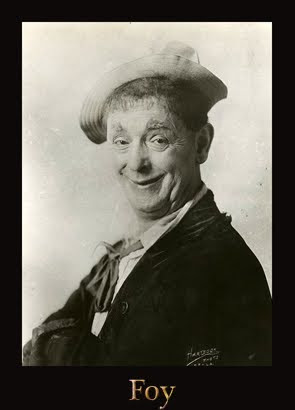


 A sixth generation Texan, landscape painter, sculptor, photographer, writer and historian, Russell Cushman shares his passion for the music, art and history of the Brazos Valley.


